Festivals

Festivals

Madras Day

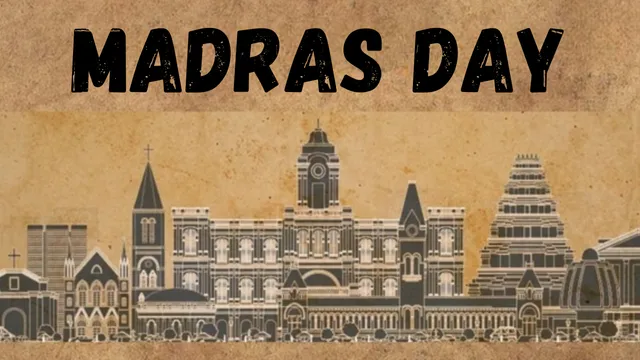
Madras Day is celebrated every year on August 22nd to commemorate the founding of the city of Chennai, originally known as Madras. The celebration marks the day in 1639 when a piece of land was purchased by the British East India Company from the local Nayak rulers, which laid the foundation for the modern city. Madras Day is not just a date on the calendar — it’s a celebration of Chennai’s rich heritage, culture, and community spirit. During this time, the city comes alive with heritage walks, exhibitions, lectures, photography contests, food festivals, and cultural programs that highlight Chennai’s history and evolution. The event encourages residents and visitors to rediscover the city’s historic landmarks, colonial architecture, and local traditions that make Chennai unique. It also fosters a sense of pride and belonging among Chennaites, reminding everyone of the city’s journey from a coastal settlement to one of India’s most vibrant metropolitan cities.
Festivals

Deepavali

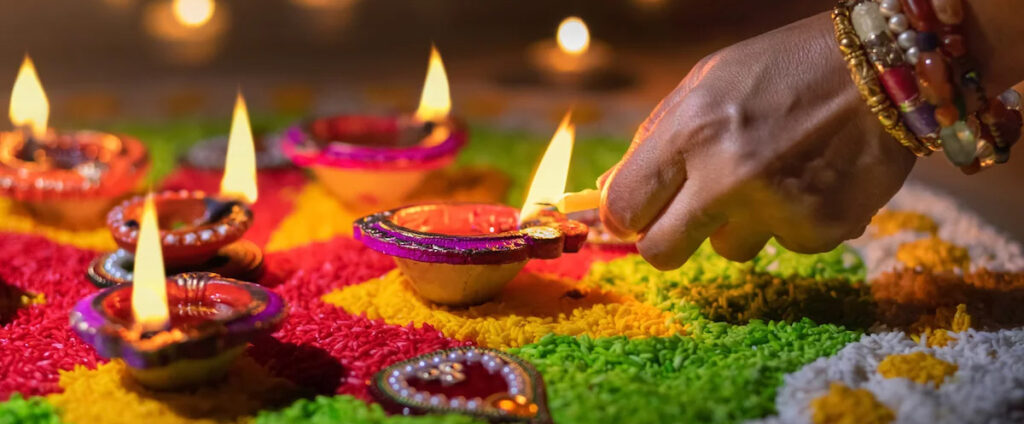
Deepavali, or Diwali, is a major Indian festival celebrated as the “Festival of Lights,” symbolizing the victory of good over evil and light over darkness. It is a multi-day festival, typically falling in October or November, where families decorate homes with lamps (diyas), lights, and rangoli, wear new clothes, exchange gifts, and worship Goddess Lakshmi for prosperity. The celebration includes feasting, sweets, and fireworks, and brings families and communities together.  Meaning and symbolism: The name “Deepavali” means “row of lights” and symbolizes the victory of light over darkness, good over evil, and knowledge over ignorance. Timing: The main day of Diwali occurs on the new moon (Amavasyaa) day of the Hindu month of Kartik, usually in October or November. Five-day festival: The celebration lasts for five days, each with its own significance, including Dhanteras, Naraka Chaturdashi, Diwali (Lakshmi Puja), Govardhan Puja, and Bhai Dooj. Celebrations: Lighting: Homes are illuminated with clay lamps (diyas), candles, and electric lights. Decorations: People create colorful patterns called rangoli on their floors. Worship: Families perform Lakshmi Puja to honor the goddess of wealth and prosperity. Food: Delicious sweets and savory snacks are prepared and shared. Family and community: People wear new clothes, exchange gifts, and visit relatives to celebrate with family and friends. Fireworks: Fireworks displays are a common feature, though there is a growing emphasis on eco-friendly practices.  

Festivals

Karthigai Deepam

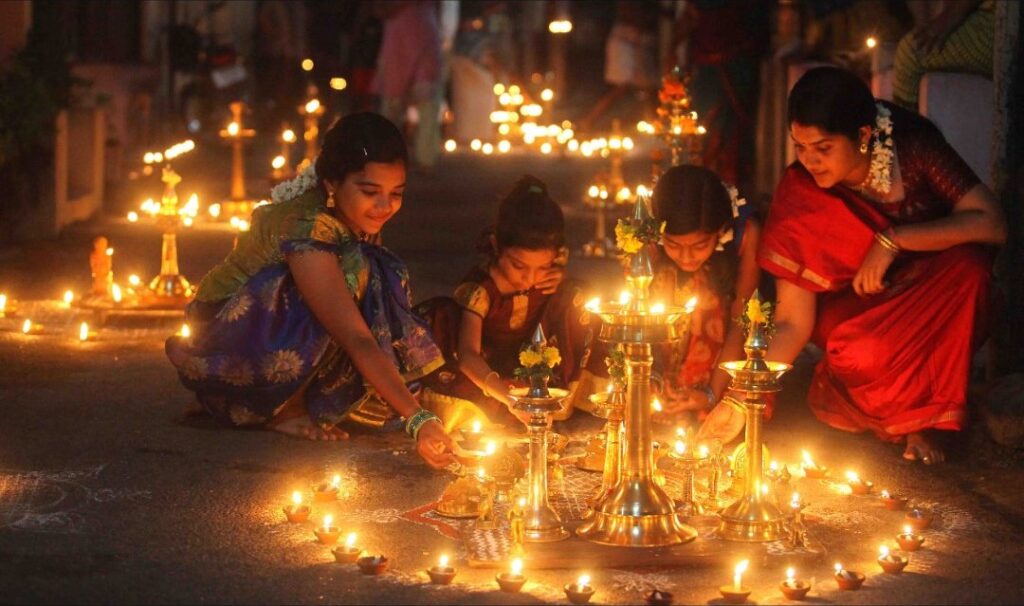
Karthigai Deepam is a major Tamil festival of lights that celebrates the triumph of light over darkness. Celebrated in the Tamil month of Karthigai (November-December), it involves lighting oil lamps in homes and temples to ward off evil and bring prosperity. Key traditions include illuminating homes, decorating with oil lamps, performing special temple rituals, and in some places like Tiruvannamalai, lighting a huge lamp on a hill.  Celebration of light: The core of the festival is lighting oil lamps (diyas) to dispel darkness, both literally and figuratively, and spread joy and prosperity. Tamil significance: It is one of Tamil Nadu’s most important festivals, celebrated with great enthusiasm and unique traditions. Cultural and religious practices: Families clean their homes, create rangoli (decorative patterns) at their entrances, and place lamps on them. Special pujas and rituals are held in temples. Mythological origins: The festival is associated with stories like Lord Shiva’s appearance as a column of fire, challenging Lords Vishnu and Brahma to find its ends. It is also dedicated to Lord Karthikeya (Muruga). Tiruvannamalai Maha Deepam: At the Arunachaleswarar Temple in Tiruvannamalai, the festival is a major event that includes a ten-day celebration with processions and the lighting of a massive lamp on top of a nearby hill on the day of the Maha Deepam. Duration: It is a multi-day festival, often involving three main days or extending for up to ten days in places like Tiruvannamalai. 

Festivals

Pongal

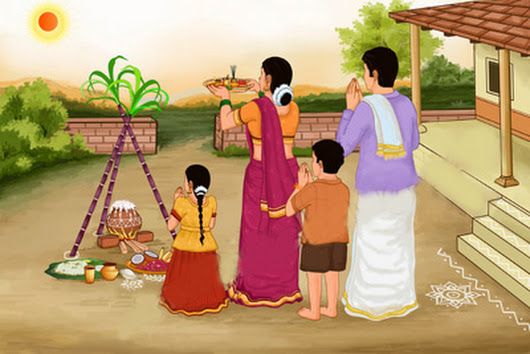
Pongal is a four-day harvest festival celebrated in Tamil Nadu and other parts of Southern India, usually in mid-January. It is a time to express gratitude to the Sun God, nature, and farm animals for a bountiful harvest and marks the beginning of the Tamil month of Thai. Each of the four days has distinct rituals, including the symbolic “boiling over” of a new Pongal dish, honoring cattle, and family gatherings.   Harvest and new beginnings: The festival celebrates the success of the harvest and welcomes the beginning of a new, auspicious month.  Gratitude: It is a way to thank the Sun God (Surya), Mother Nature, and the cattle for their role in agriculture.  Four-day festival: The festivities are spread over four days, with each day having its own traditions: Bhogi Pongal: The first day involves cleaning homes and discarding old belongings, often in bonfires, to symbolize new beginnings.  Surya or Thai Pongal: The second day is the main event, dedicated to the Sun God. Families cook the new Pongal dish, made from freshly harvested rice, milk, and jaggery, and offer it to the sun. The word “Pongal” itself means “to boil over,” symbolizing prosperity.  Mattu Pongal: The third day is dedicated to the cattle and farm animals, which are decorated and celebrated.  Kaanum Pongal: The final day is for family reunions, feasting, and outdoor activities.